

A revolution in art.
A place to gather.
Before it was Agraw, it was Tagrawla. Before it was an archive, it was an invitation: to be seen, to be heard, and to find one another.
Follow the story ↓A revolution made of art.
Agraw began in 2000, under another name: Tagrawla. The name meant “revolution.” Behind it was Mohammed Bounda, imagining a cultural revolution made through art and carried by the internet.
The web was still a new medium. For a culture whose voices had little space in established media, it offered something precious: the possibility of speaking for ourselves, sharing our creativity, and finding one another across borders.
Tamazight was still struggling for public and official recognition. Tagrawla chose to answer that absence with presence—with music, images, words, and a window open to the world.
From a spark to a gathering.
In time, Tagrawla became Agraw.com. The project grew from an impulse for change into a place where that change could be shared: a gathering around Amazigh culture.
English was part of the project from the beginning. It was a bridge beyond our own communities, inviting the wider world to discover Amazigh artists, stories and ways of seeing. A culture too often spoken about could now introduce itself.

More than pages on a screen.
People came for a song, an artist, a photograph. They stayed for the conversation. In Agraw’s chat rooms and forums, Imazighen from across North Africa and the diaspora met, exchanged ideas, debated, and built connections.
Artists welcomed a platform that made room for their work when opportunities to be heard were scarce. Performances, interviews and festival reports brought their creativity to listeners far beyond the stage. Agraw was becoming a shared space for a culture finding a wider public voice.
One beginning. Many hands.
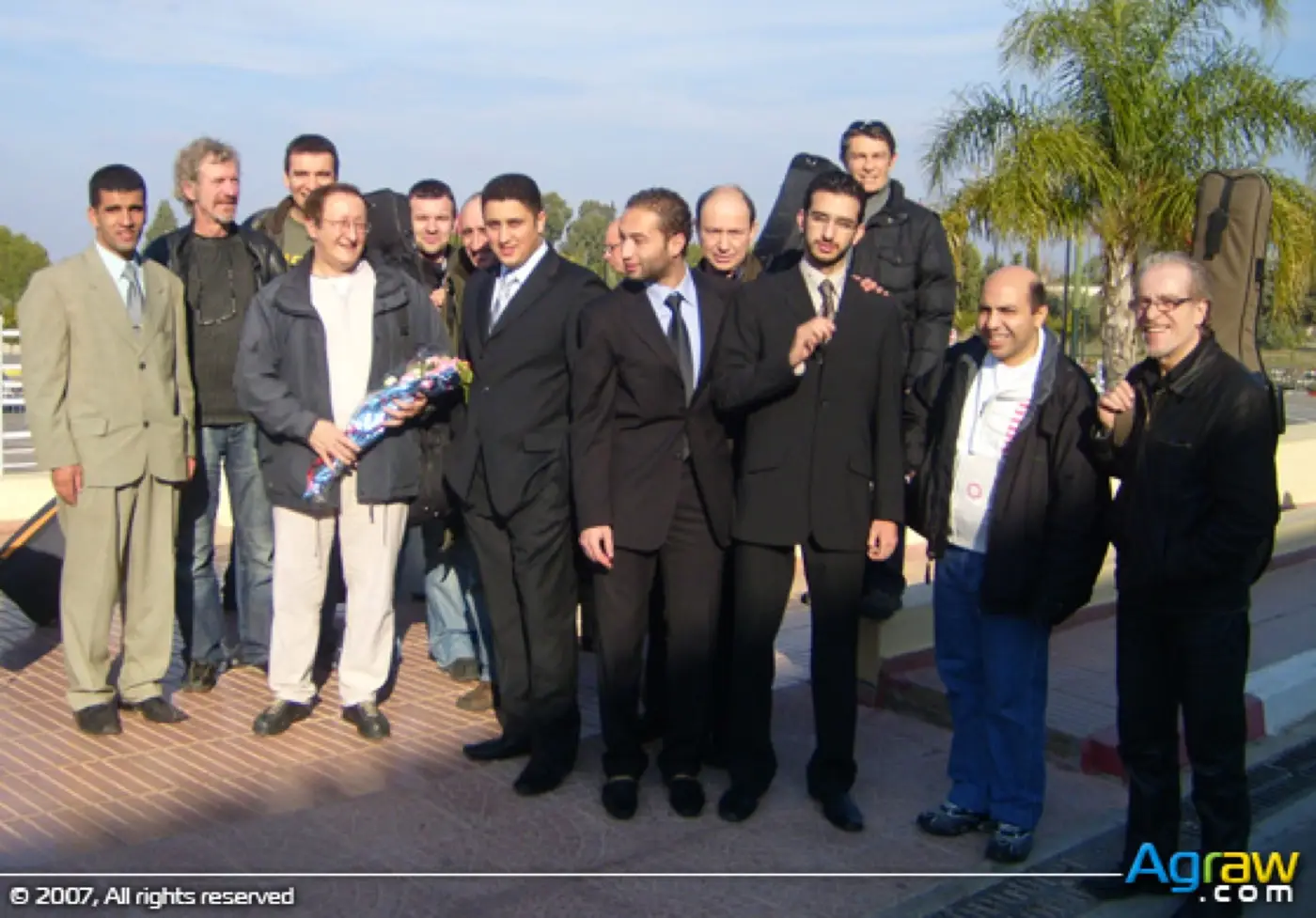
Mohammed Bounda started the project. Talented contributors from the Rif and other places, including communities in the diaspora, later joined him. They brought their energy, ideas and creative work, helping give Agraw its direction.
Its early life was shaped around a university student’s time and the commitment of people who believed the project mattered. What held it together was a shared wish to show the beauty of Amazigh culture and make room for its voices.
The pages grew quiet.
Updates eventually slowed and stopped. For many years, Agraw remained much as it had been: a record of performances, encounters, conversations and cultural life.
The wider world continued to change. Amazigh visibility and recognition grew, while the website that had helped carry those voices kept its own memories. Its silence did not erase what had happened there.
The gathering begins again.
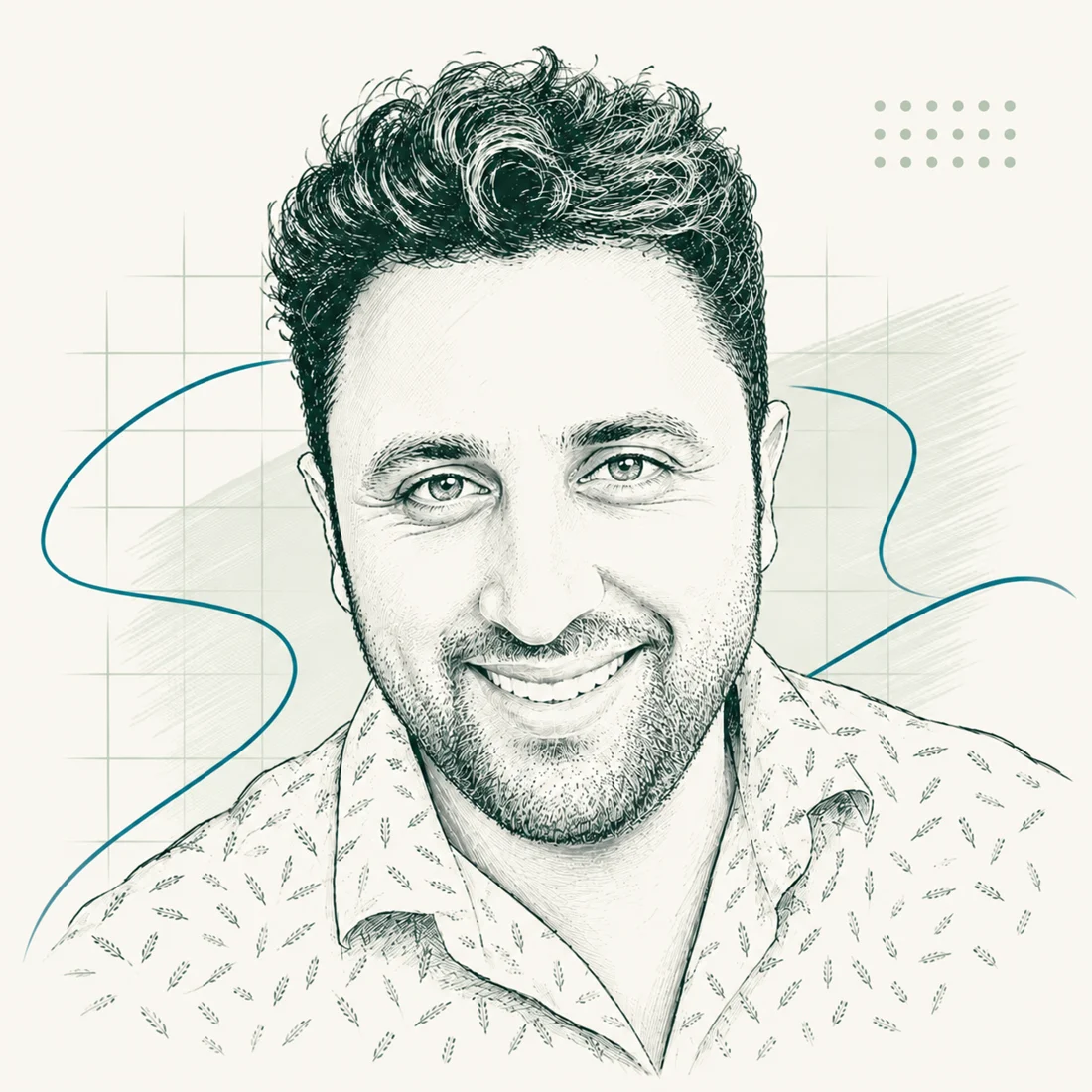
Now Mohammed Bounda is returning to the project, bringing Agraw back to life and looking toward what it can become next.
The task is to care for what was created, make it easier to discover, and open the door to new voices. The archive belongs in this next chapter: the artists, the photographs, the conversations that gave the place its character.
Agraw returns with the spirit that began it in 2000: a belief that art can make a culture visible, and that a place to gather can bring people closer.
The purpose
that carries us.
The original mission remains our compass. This next chapter gives it a renewed home.
- 01
Make Amazigh culture visible.
Share the richness of Amazigh art, language and heritage with Imazighen and with anyone who wants to discover it—Tamazight speakers and non-speakers alike.
- 02
Give creativity room to grow.
Offer a platform for artistic expression and young talent. Bring music, cinema, theatre, literature and visual culture into conversation, and support the people creating what comes next.
- 03
Keep the gathering open.
Connect communities across North Africa and the diaspora. Encourage thoughtful dialogue and cooperation with artists, cultural groups and associations.
- 04
Stand for human dignity.
Carry forward the values of tolerance, secular education, nonviolence, women’s equality and universal human dignity. Cultural confidence can grow alongside openness to others.
- 05
Care for our shared memory.
Preserve the work gathered here, acknowledge its creators, and help a new generation find its own connections to the archive.
Carried forward with contributors from the Rif and the Amazigh diaspora.
A story that continues with the people who gather here.